Guides & Comparisons
We test website builders and break down pricing, features and use cases so you don't have to guess.

Website builder pricing explained for 2026: introductory discounts, renewal rates, domains, apps and transaction fees you should budget for.
How to pick the best website builder for your store, portfolio, blog or business site in 2026, with honest notes on limits and pricing.
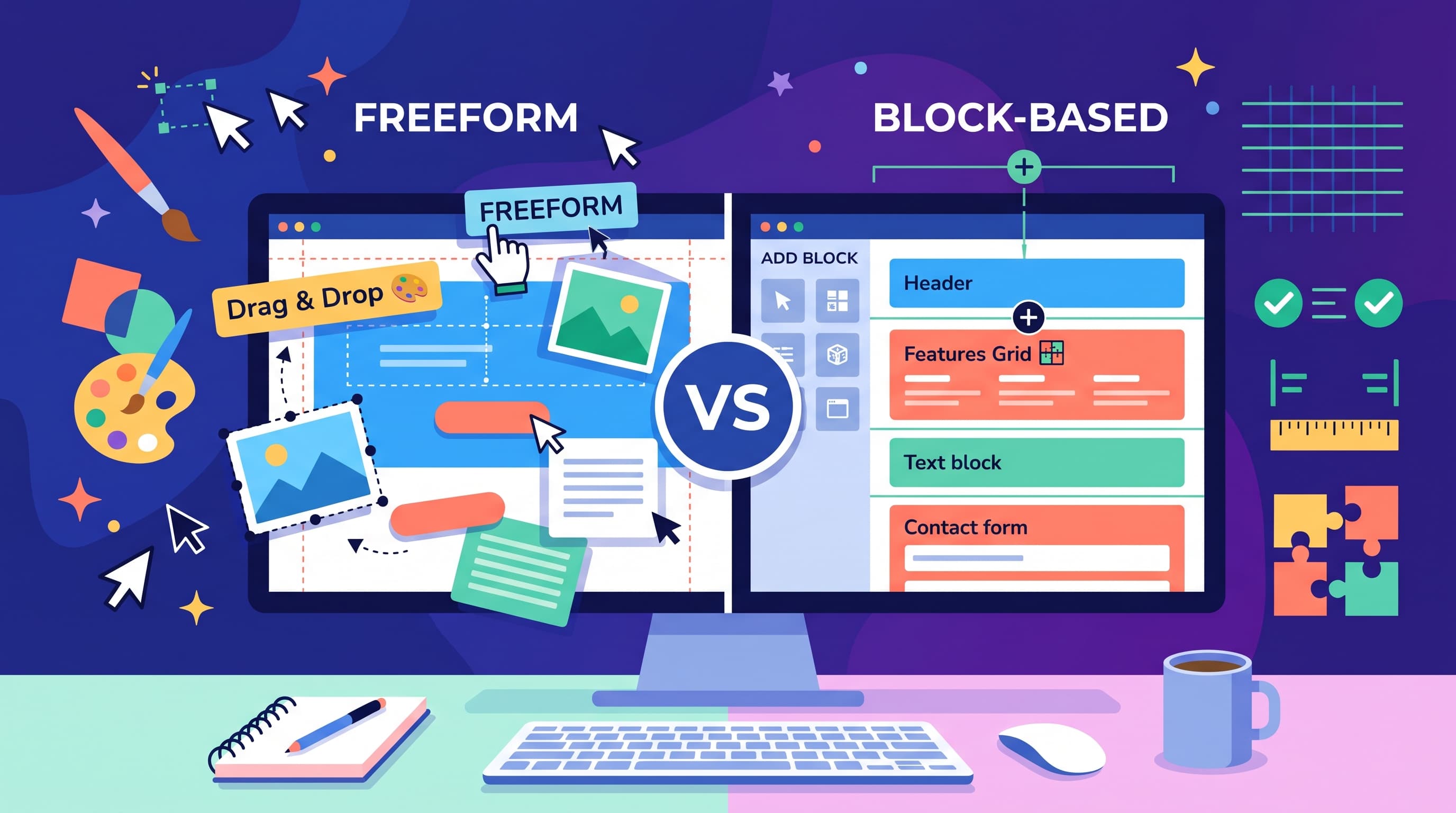
Wix vs Squarespace in 2026: how the two builders differ on design freedom, templates, business tools and price, and which one fits your site.
The best free website builder plans in 2026, what each one really includes and the limits you should know before building on a free tier.
How to choose the best website builder for small business in 2026, from bookings and contact forms to local SEO and real monthly costs.
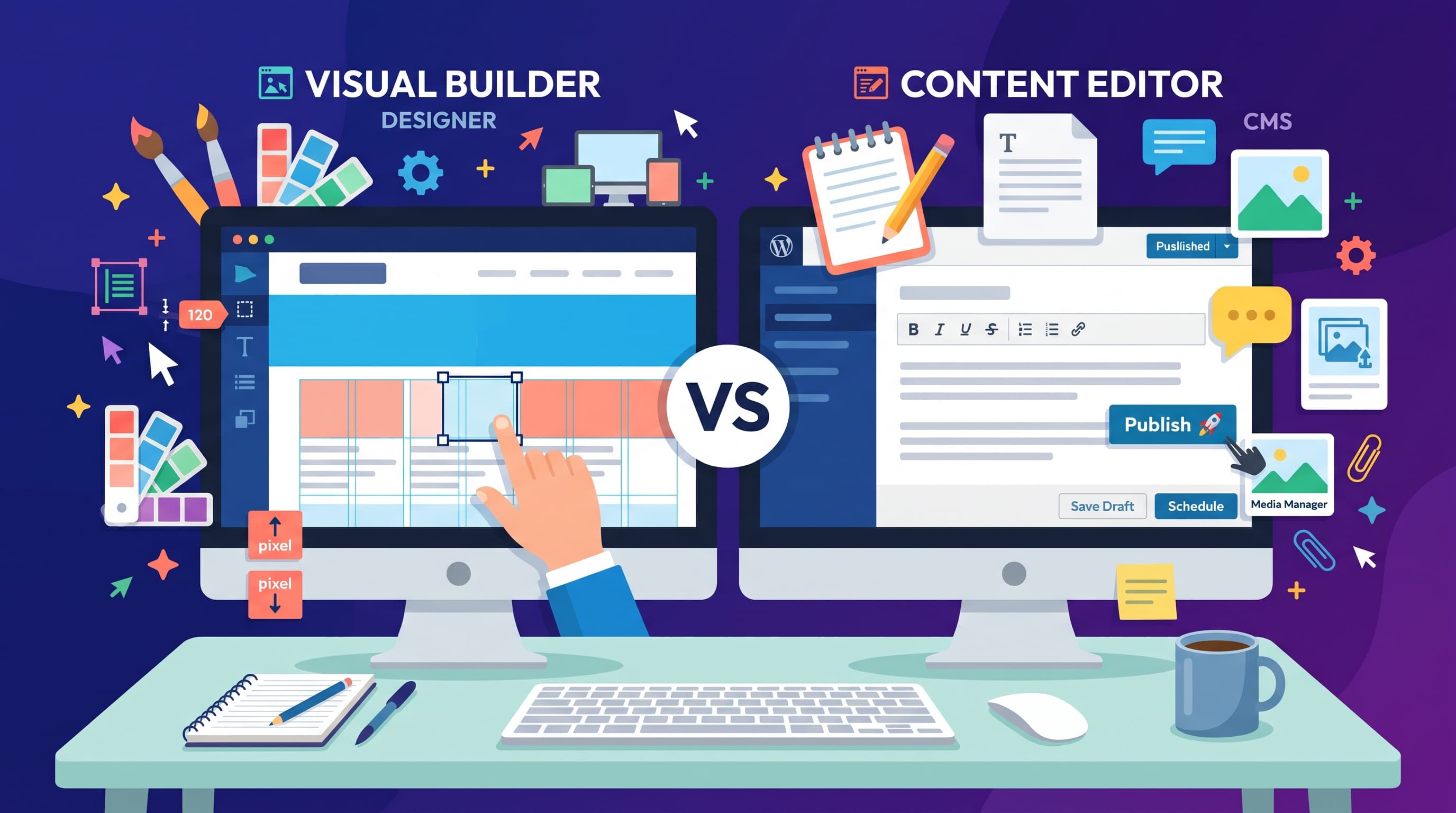
Webflow vs WordPress in 2026: design control, content tools, SEO, maintenance and pricing compared for designers, agencies and publishers.

Our Wix review for 2026 covers the AI site generator, templates, SEO tools, business features and pricing, plus the limits you should know.
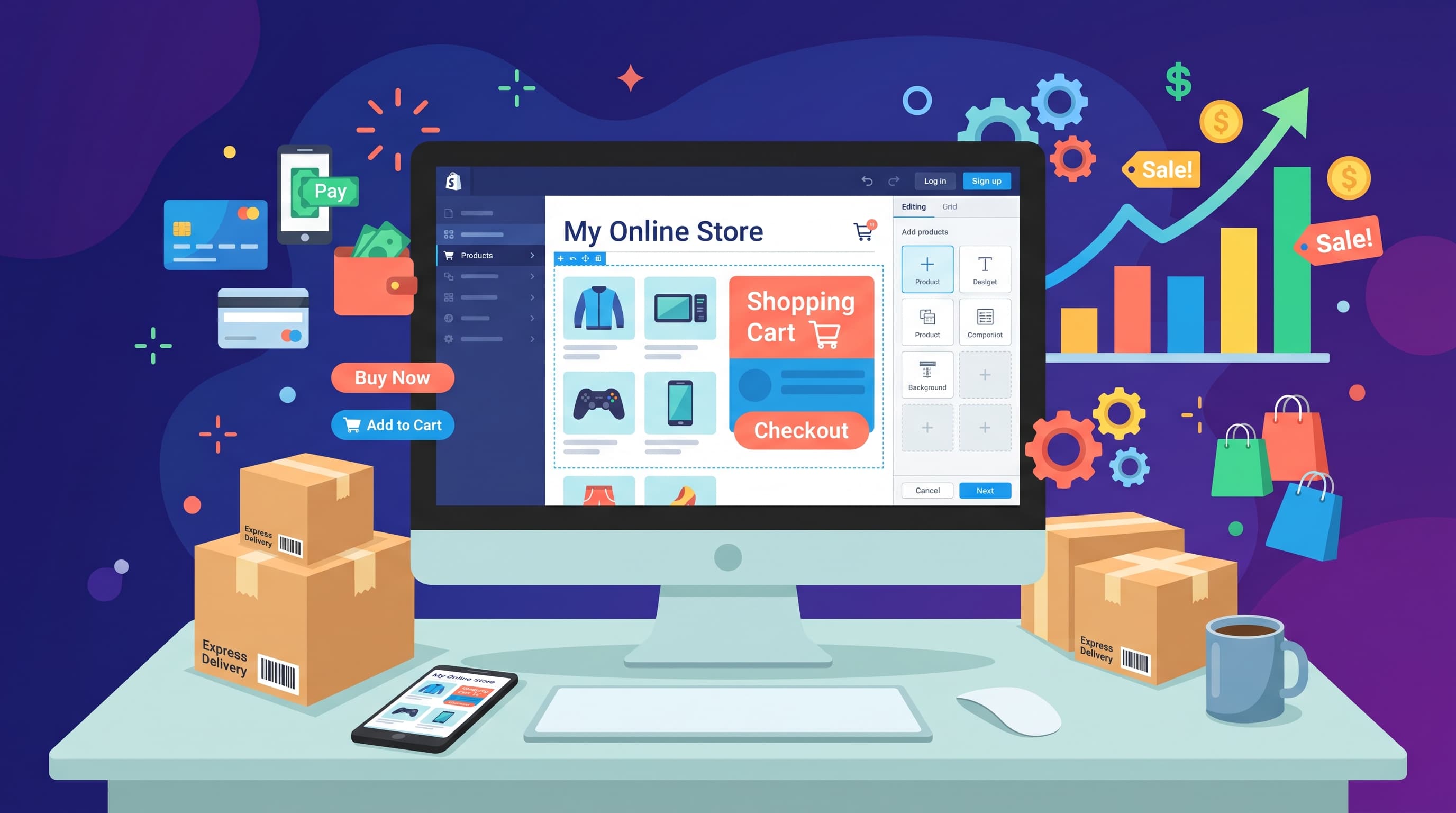
How to choose the best website builder for ecommerce in 2026, comparing checkout, inventory, fees and growth tools across the main platforms.
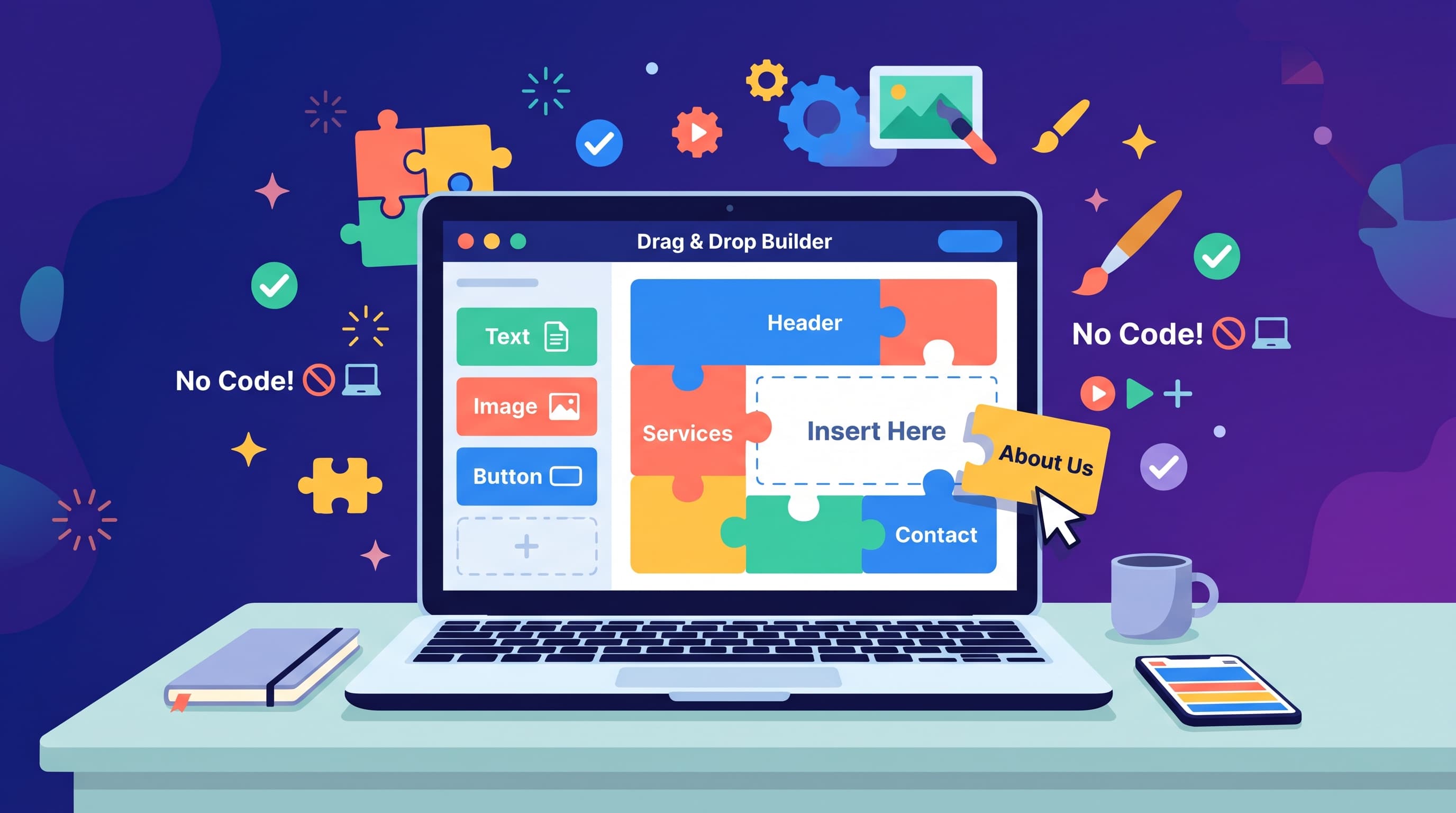
A practical walkthrough to create a website without coding in 2026, from planning pages and choosing a builder to SEO settings and publishing.
Not Every Question Belongs in a Review
Reviews and comparisons answer "which builder should I use." The blog exists for everything adjacent to that: how to actually get a template looking right, whether a specific pricing tier is worth the upgrade and how the broader website-building landscape is shifting. If a topic needs more room than a paragraph, it usually ends up here instead of getting crammed into a review.
Three Kinds of Posts You'll Find
Guides walk through a specific task, such as setting up a custom domain or configuring basic SEO settings on a particular platform. Reviews on the blog cover a builder in long-form, often going deeper than the structured format on a dedicated review page allows. Explainers cover a broader concept, like what actually determines a site's page speed, without recommending a specific builder at all. They're aimed at readers who want to understand something rather than sign up for something.
Where Topic Ideas Actually Come From
Three sources, mostly. The first is questions we keep hearing through our Contact page. The second is gaps we notice while writing a review, where a reader would benefit from more background than fits in the word count. The third is genuinely useful developments in the website-building space worth explaining in plain language. We skip trend-chasing filler with nothing new to say.
The Same Editorial Rules Apply Here
Everything from our Disclosure page applies to blog content too. A guide comparing a free builder to a paid one isn't secretly steering you toward whichever pays a commission. An explainer about page speed isn't an excuse to wedge in a link that doesn't genuinely belong. Where a post does recommend a specific builder, that recommendation traces back to the same testing used everywhere else on the site.
Publishing Cadence
We publish when there's something worth reading, not on a fixed weekly quota padded with thin content. Expect more activity around major platform redesigns or pricing changes, alongside a steady background of evergreen guides we revisit as the builders they describe change.
Requesting a Topic
Have a question about choosing or using a website builder you haven't found a clear answer to? Our Contact page is the right place to send it. We can't promise every suggestion becomes an article, but reader questions are consistently our best source of topics people actually search for.
Keeping Older Posts Honest
Website builders change quickly enough that a guide written a year ago about a specific platform's editor or pricing structure may describe something that's since changed. We date every article and revisit the ones most likely to drift out of date. If a detail looks off in something older, the same Contact correction path applies here too.
Guides That Hold Up vs. Guides That Don't
We favor explainers built around durable concepts, like how to evaluate whether a template is genuinely customizable or how to judge a platform's real SEO capability. Guides built entirely around one builder's current editor interface go stale the moment that platform redesigns its editor.
How the Blog Connects Back to Our Reviews
Almost every blog post links back to at least one full review or shortlist relevant to what it's discussing. The blog exists to add context around our tested content, not as a disconnected content stream. If a guide recommends checking a specific builder's SEO settings, expect a direct link to that builder's review rather than a vague mention.
A Note on Platform Updates and Redesigns
When a builder ships a major editor overhaul, we try to cover it here with practical detail: what actually changed for existing users, whether old sites need any manual migration and whether the update affects our published score. If a redesign is significant enough to change how a builder performs against our criteria, expect its full review to be revisited as part of the same coverage, not treated as a separate, disconnected news item.